inventory:5,527
International Rectifier
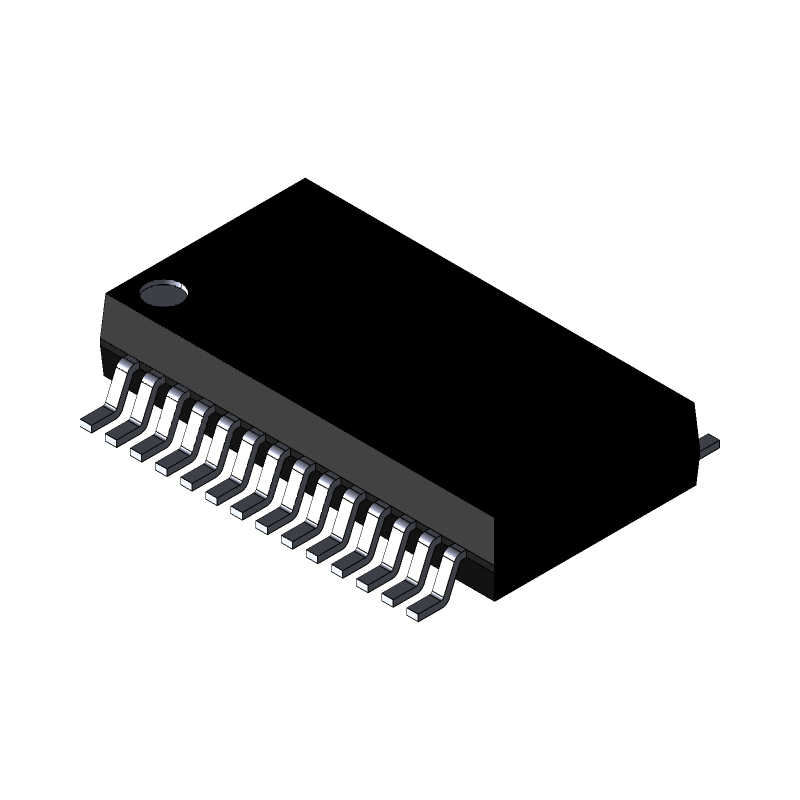
SSOP-28
We are here to provide you with the electronic components you need!
Secure Code for Password Recovery via Email Request.
Please use the security code from your email to reset your password.
Please proceed to log in or return to the homepage.
Elon Musk's Remarkable Endeavors: Neuralink to Conduct Human Trials for Brain-Machine Interface.
Elon Musk's prowess extends beyond the global success of Tesla, as he once again takes the spotlight in trending news. This time, Musk is embarking on an extraordinary mission through his company, Neuralink, which is set to conduct human trials—a development that could resemble a plotline from a large-scale science fiction movie.

Previously, Neuralink had conducted animal trials for brain-machine interface technology. Now, Neuralink has officially announced that it has obtained approval from an independent review committee to commence its first human trials, involving the implantation of devices into the brains of paralyzed patients. This six-year human trial will primarily focus on assessing the safety and effectiveness of Neuralink's wireless fully implanted brain-machine interface, enabling paralyzed patients to control external devices using their brains. Notably, Neuralink's clinical trials had previously received approval from the U.S. Food and Drug Administration (FDA).
Neuralink, founded by Elon Musk, has short-term objectives that include enabling paralyzed individuals to type via thought control. In the future, Neuralink aims to help paralyzed individuals regain the ability to walk and restore their vision.
A Brain-Machine Interface (BMI) or Brain-Computer Interface (BCI) refers to a direct connection established between the human or animal brain and external devices, facilitating the exchange of information between the brain and the devices.
A brain-machine interface represents a direct communication channel between the brain and external devices. Its signals originate from the central nervous system, operating independently of the peripheral nervous and muscular systems. BMIs can be employed to assist, enhance, or restore sensory-motor functions in the human body or augment human-machine interaction capabilities. For example, connecting a human brain to a computer allows individuals to manipulate machines effortlessly through thought, or connecting human brains to each other via computers enables non-verbal communication.
Moreover, with the development of artificial intelligence and machine learning, brain-machine interface technology has garnered increasing attention.
Several companies in the industry are actively researching and developing brain-machine interface technology.
Neuralink: Founded by Elon Musk, CEO of Tesla, Neuralink is one of the most renowned companies in the field of brain-machine interfaces.
Kernel: Established in 2016 by Bryan Johnson, Kernel is a brain-machine interface company.
NeuroSky: A company specializing in the development of human brain interface technology.
CTRL-labs: A startup company focused on the development of brain-machine interface technology.
Emotiv: Researches headwear devices that allow control of games and applications through brainwave patterns.
2V and is housed in a 144-pin TQFP package
250kbps full duplex RS232 transceiver TSSOP16 interface IC
4V 2-Pin SOD-323 T/R ESD Suppressor Diode TVS Bi-Directional
This programmable EPROM is a reliable and cost-effective memory solution for various applications
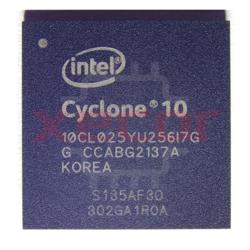
256UBGA IC FPGA with 150 I/o
Power Sequencer LM3881MM/NOPB: Supervisory Circuits
Rectangular 6 pin surface mount device for temperature sensing
NOR Flash EW-SERIES FLASH NOR SLC 8MX16 TSOP Parallel NOR Flash Embedded Memory MT28EW128ABA
In the Zilian smart terminal product series, two Bluetooth gateways serve as ideal solutions for dynamic health management.
Amid a global trend toward an aging population and an increasing burden of chronic diseases, the urgency for new drug development is unprecedented.
A biochemical analyzer is a system that employs various electrochemical and optical techniques to analyze and detect biological samples. This system comprises an optical engine, sample movement/flow control, automated control and processing, power management, and environmental monitoring and control (temperature, pressure, humidity). To enhance efficiency, biochemical analyzers available in the market are highly automated.