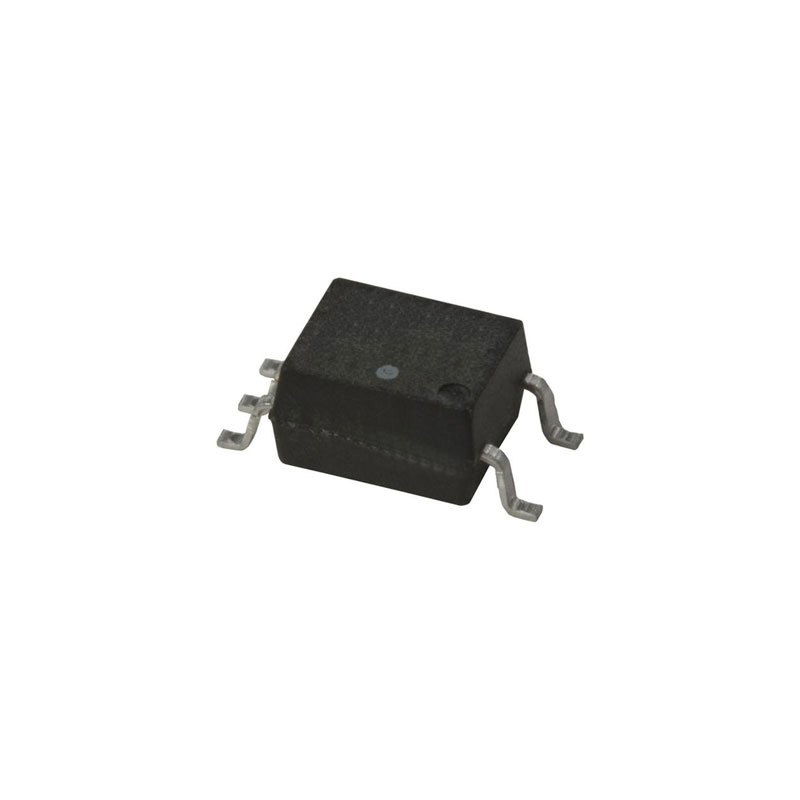
Key Featrues
Full-Speed USB Support (12 Mb/s): The MCP2210 supports full-speed USB connectivity, enabling high-speed data transfer between USB and SPI interfaces. This feature enhances performance in applications requiring rapid communication, such as data logging or real-time sensor monitoring.
Configurable SPI Modes and Bit Rates: The device supports all four SPI modes (0, 1, 2, 3) and adjustable bit rates ranging from 1500 bps to 12 Mbps. This flexibility allows seamless integration with a wide range of SPI devices, improving compatibility and efficiency in diverse use cases.
Nine General Purpose I/O Pins: With nine GPIO pins, the MCP2210 offers versatile control and monitoring capabilities. These pins can be used for tasks like controlling peripherals, reading sensors, or managing status LEDs, expanding the device's functionality in embedded systems.
Integrated User EEPROM (256 Bytes): The built-in 256-byte EEPROM provides non-volatile storage for user-defined settings or data. This feature enhances efficiency by allowing the device to retain configuration data across power cycles, reducing setup time for repeated operations.
Multiple Chip Select Lines (Up to 9): The MCP2210 supports up to nine configurable chip select lines, enabling communication with multiple SPI devices on the same bus. This feature simplifies complex designs and improves system scalability, making it ideal for multi-device environments.
Applications
USB-SPI Interface for Industrial Automation: The MCP2210 is ideal for bridging USB connectivity to SPI-based industrial automation systems. Its ability to handle SPI transactions up to 12 Mbps and support for multiple chip select lines makes it suitable for controlling and monitoring various SPI-enabled sensors and actuators in manufacturing environments. The integrated GPIOs further enhance its utility for status indication and control tasks.
Embedded System Prototyping: The MCP2210 serves as a versatile tool for prototyping embedded systems that require USB-to-SPI communication. Its support for all four SPI modes and configurable GPIOs allows developers to quickly interface with SPI-based peripherals, such as displays, memory modules, and sensors, during the development and testing phases of embedded projects.
Custom USB HID Devices: The MCP2210 can be used to create custom USB Human Interface Devices (HID) with SPI and GPIO capabilities. Its fully configurable VID, PID, and string descriptors enable developers to design unique USB devices for specialized applications, such as custom input devices, diagnostic tools, or control panels, leveraging the built-in HID drivers on major operating systems.
Data Acquisition and Control Systems: The MCP2210 is well-suited for data acquisition and control systems that require USB connectivity. Its ability to handle SPI transactions with configurable delays and up to 9 chip select lines makes it ideal for interfacing with multiple SPI-based sensors and actuators in applications such as environmental monitoring, robotics, and laboratory equipment. The integrated EEPROM allows for storing configuration data, enhancing system flexibility and reliability.