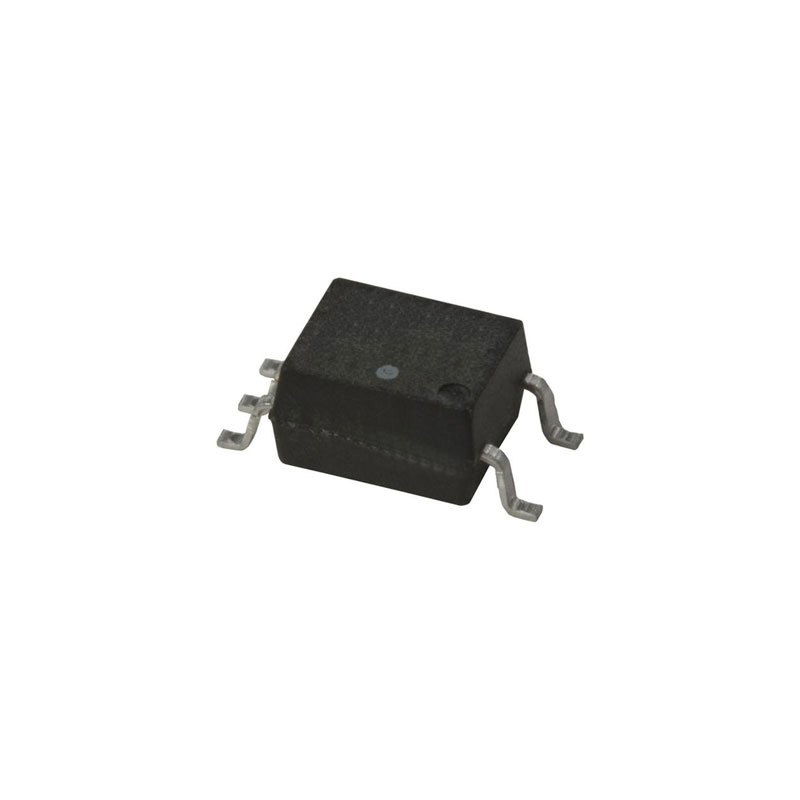
LTC2220 (4)

The LTC2220 is available from Analog Devices at Xecor. Designed for digitizing high-frequency, wide dynamic range signals, the LTC2220 offers exceptional performance with a 170Msps sampling rate, 12-bit resolution, and ultralow jitter of 0.15psRMS. Available in a 64-pin QFN package, it is ideal for wireless and wired broadband communication, cable head-end systems, power amplifier linearization, and communications test equipment. Whether used in demanding communications applications or high-speed data acquisition, this series ensures reliable performance, low power consumption, and flexibility for critical applications. Xecor is an authorized distributor for Analog Devices. Please view our extensive selection of the LTC2220 series below.

Part Number Description Package Inventory Add To Bom
LTC2220IUP#TRPBF Real-time signal processing for industrial control systems and monitoring devices QFN-64 8,860
LTC2220CUP#TRPBF 1-Channel Single ADC Pipelined 170Msps 12-bit Parallel 64-Pin QFN EP T/R QFN-64 6,379
LTC2220IUP#PBF 1-Channel Single ADC Pipelined 170Msps 12-bit Parallel 64-Pin QFN EP Tube QFN-64 9,541
LTC2220CUP#PBF 1-Channel Single ADC Pipelined 170Msps 12-bit Parallel 64-Pin QFN EP Tube QFN-64 5,745

Key Featrues

High Sampling Rate (170Msps): The LTC2220 offers a high sampling rate of 170 million samples per second, making it ideal for applications requiring fast and accurate signal digitization, such as wireless communication and broadband systems. This high speed ensures precise capture of high-frequency signals, enhancing overall system performance.
Low Power Dissipation (890mW): With a power dissipation of just 890mW, the LTC2220 is highly efficient, reducing thermal management challenges and energy consumption. This feature is particularly beneficial in power-sensitive applications like portable communication devices and battery-operated systems.
Flexible Input Ranges (±0.5V or ±1V): The ADC supports selectable input ranges of ±0.5V or ±1V, providing flexibility in handling different signal amplitudes. This versatility allows the device to be used in a wide range of applications, from low-voltage sensor interfaces to higher-voltage communication systems.
Low Jitter (0.15psRMS): The ultra-low jitter of 0.15psRMS ensures minimal timing errors during signal sampling, which is critical for high-performance applications like IF undersampling and high-speed data acquisition. This feature enhances the accuracy and reliability of the digitized signals.
Shutdown and Nap Modes: The LTC2220 includes shutdown and nap modes, which significantly reduce power consumption during idle periods. These modes are particularly useful in power-sensitive applications, extending battery life and improving overall energy efficiency.

Applications

Wireless Communication Systems: The LTC2220 is perfect for digitizing high-frequency signals in wireless communication systems, such as 5G base stations and satellite communication equipment. Its 170Msps sampling rate and 67.5dB SNR ensure accurate signal capture and processing, making it ideal for maintaining signal integrity in demanding RF environments.
Cable Head-End Systems: The LTC2220 excels in cable head-end systems, where it can digitize wideband signals for video, voice, and data transmission. Its 80dB SFDR and low jitter performance enable high-quality signal conversion, ensuring reliable and clear communication across cable networks.
Power Amplifier Linearization: The LTC2220 is well-suited for power amplifier linearization in RF and microwave systems. Its high-speed sampling and precision allow for accurate feedback and correction of amplifier distortions, improving efficiency and performance in wireless infrastructure and radar systems.
Communications Test Equipment: The LTC2220 is ideal for use in communications test equipment, such as spectrum analyzers and signal generators. Its 12-bit resolution and 170Msps sampling rate provide the accuracy and speed needed for testing and validating high-frequency communication signals, ensuring reliable performance in R&D and production environments.