
inventory:5,429
Cree Led
PLCC-4
We are here to provide you with the electronic components you need!
Secure Code for Password Recovery via Email Request.
Please use the security code from your email to reset your password.
Please proceed to log in or return to the homepage.
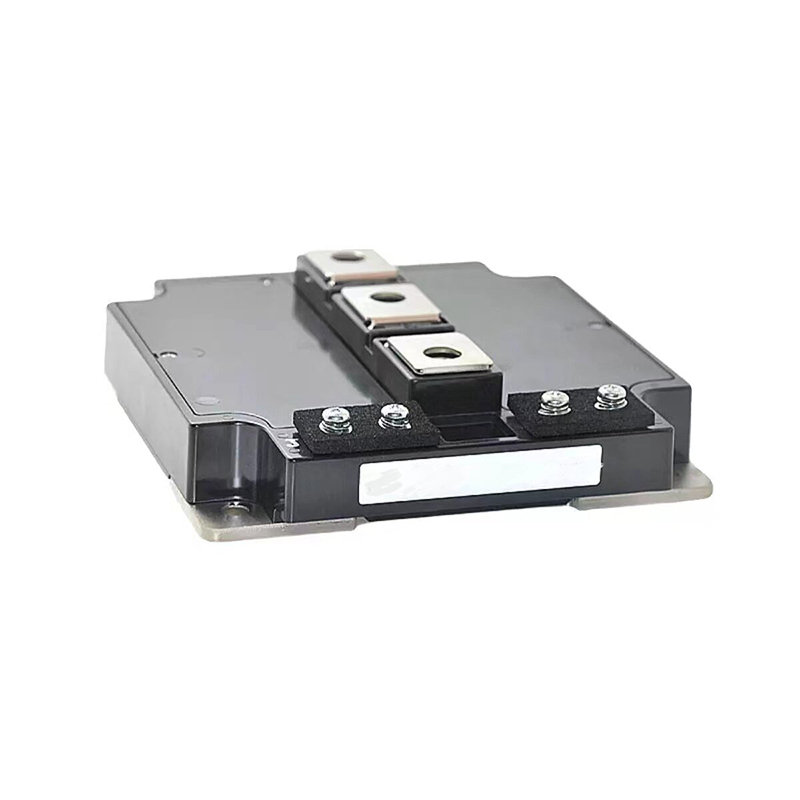
SCR Module 1.2 kV 785 A Series Connection - SCR/Diode Chassis Mount POW-R-BLOK™ Module
Inventory:4,837
The LD421250 is an electronic component model that may be searched by engineers, maintenance technicians, and electronic component buyers looking for technical documentation and sourcing information. Understanding its specifications and operating requirements is essential before using it in a new design or replacing an existing component.

This guide explains how to research the LD421250, identify the technical information required for component selection, and evaluate its suitability for an electronic engineering project.
When evaluating the LD421250, the first step is to confirm the component's exact identity and obtain the corresponding datasheet. The datasheet provides the technical information needed to understand its electrical characteristics, package configuration, operating conditions, and installation requirements.
Accurate identification is particularly important when sourcing components for production equipment or repairing existing electronic systems. A matching part number should always be verified against reliable technical documentation before a purchasing or design decision is made.
Several parameters should be reviewed when researching the LD421250.
Check the component's operating voltage, current limits, power requirements, and other electrical characteristics specified in the datasheet. These values determine whether the component can operate within the intended circuit conditions.
Package dimensions, terminal configuration, and mounting requirements are important for both PCB layout and equipment maintenance. Confirm these details before designing a footprint or selecting a replacement.
Temperature limits affect component reliability and system performance. Review the specified operating and storage temperature ranges, along with any thermal management requirements.
Depending on the component type, additional parameters may include switching characteristics, tolerances, response times, and environmental operating limits. Use the applicable datasheet to identify the parameters that matter most to the target application.
Important: Exact electrical ratings and package details for the LD421250 should be confirmed using verified manufacturer documentation. Do not assume specifications from a similar model are applicable.
The appropriate applications for the LD421250 depend on its verified component type and technical specifications. The following areas illustrate common considerations when evaluating electronic components.
Industrial systems require components that can operate within defined electrical and environmental limits. Before selecting the LD421250 for industrial equipment, verify its compatibility with the system's operating conditions.
During electronic product development, engineers must evaluate component characteristics against circuit requirements. Datasheet information helps determine whether a component meets the design's electrical, mechanical, and thermal constraints.
When repairing existing equipment, identifying the original component is essential. Engineers should compare the part number, electrical ratings, package, terminal arrangement, and other relevant characteristics before installing a replacement.
Procurement professionals need accurate product information to avoid ordering incompatible parts. Confirming the exact model, documentation, availability, and traceability helps reduce sourcing risks.
Selecting the LD421250 for a project involves several practical steps.
Step 1: Confirm the Part Number
Check the complete model number against the original equipment documentation or applicable technical records. Even small differences in a part number can indicate different specifications.
Step 2: Review the Datasheet
Identify the electrical ratings, package information, operating conditions, and any application-specific requirements relevant to the project.
Step 3: Evaluate Compatibility
Compare the verified specifications with the circuit design or original component requirements. Do not rely on appearance or partial model-number similarity alone.
Step 4: Check Availability
Before production or maintenance work, verify stock availability, lead time, and sourcing documentation.
Step 5: Review Quality and Traceability
For critical applications, evaluate supplier documentation and component traceability. These checks can help reduce the risk of receiving incorrectly identified or unsuitable components.
The LD421250 should be evaluated using accurate technical documentation and the specific requirements of the intended application. Confirming its identity, reviewing its datasheet, checking compatibility, and verifying sourcing information are essential steps before incorporating it into an electronic system.
For engineers and procurement professionals, reliable component identification and specification verification provide a practical foundation for better design decisions and more effective electronic component sourcing.
Buyers should verify the exact part number, technical documentation, stock status, lead time, supplier reliability, and traceability requirements.
Interchangeability cannot be determined from the part number alone. Compare electrical ratings, package dimensions, terminal configuration, operating conditions, and functional requirements before considering a replacement.
Review the applicable datasheet for electrical characteristics, package dimensions, operating temperature, and other relevant parameters. Avoid relying on unverified third-party descriptions.
Start by checking the original manufacturer documentation and reliable electronic component databases. Confirm that the document matches the complete part number before using its specifications.

 Dr. James Anderson




Still, need help? Contact Us: [email protected]